Transaction overload
72% of users reported losing track of frequent micro-payments, with many relying on bank balance alone to estimate spending.
Moniq
Helping users track spending, split expenses, and build better financial habits through everyday UPI payments.
 View Presentation
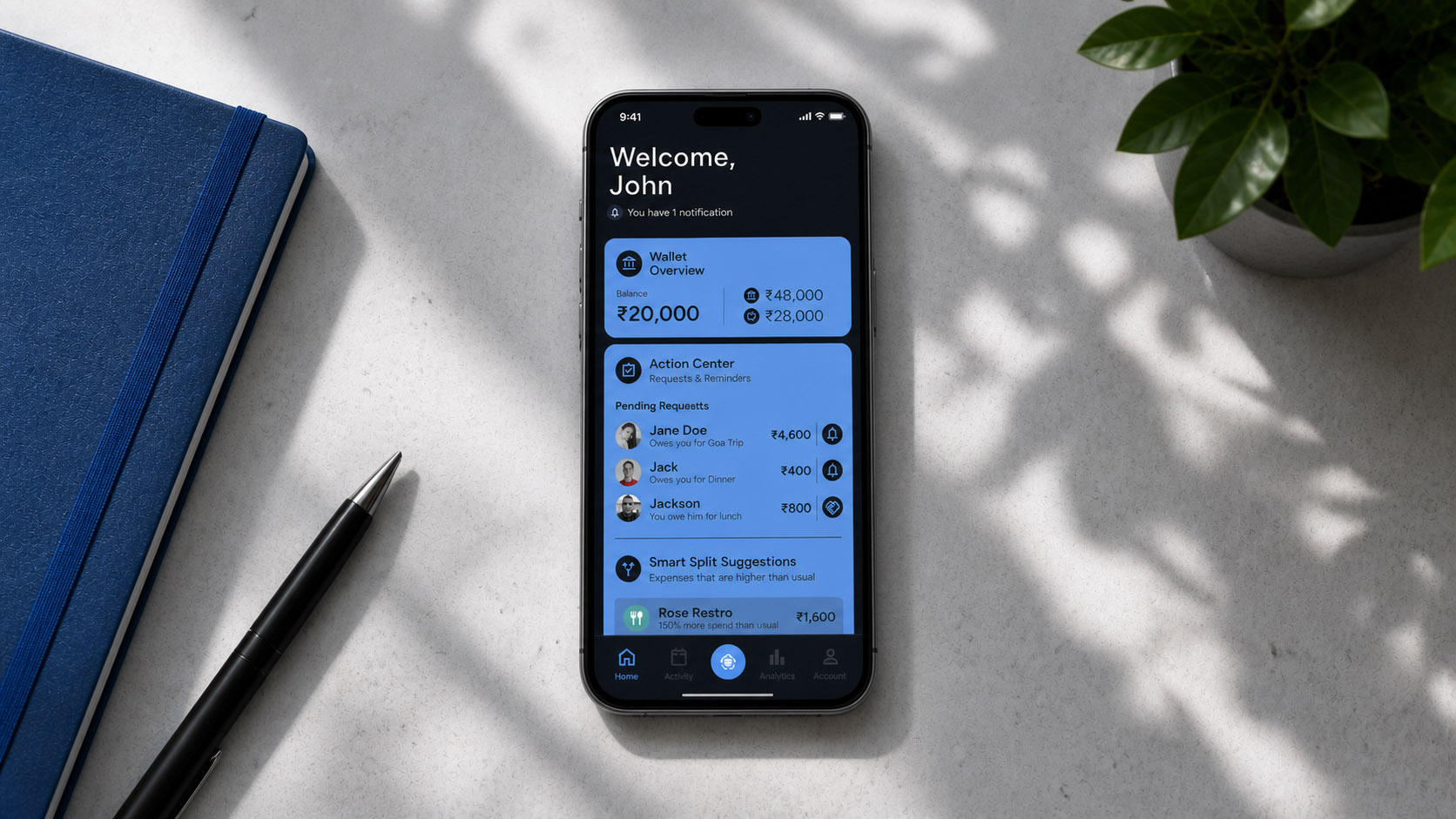
Moniq has been designed as a concept payment experience that seamlessly integrates expense tracking, smart insights, and bill splitting into UPI apps to encourage better spending management, financial awareness, and stronger everyday financial habits.
Interface Scope
Key Features
Tools & Techniques Used
Project Type
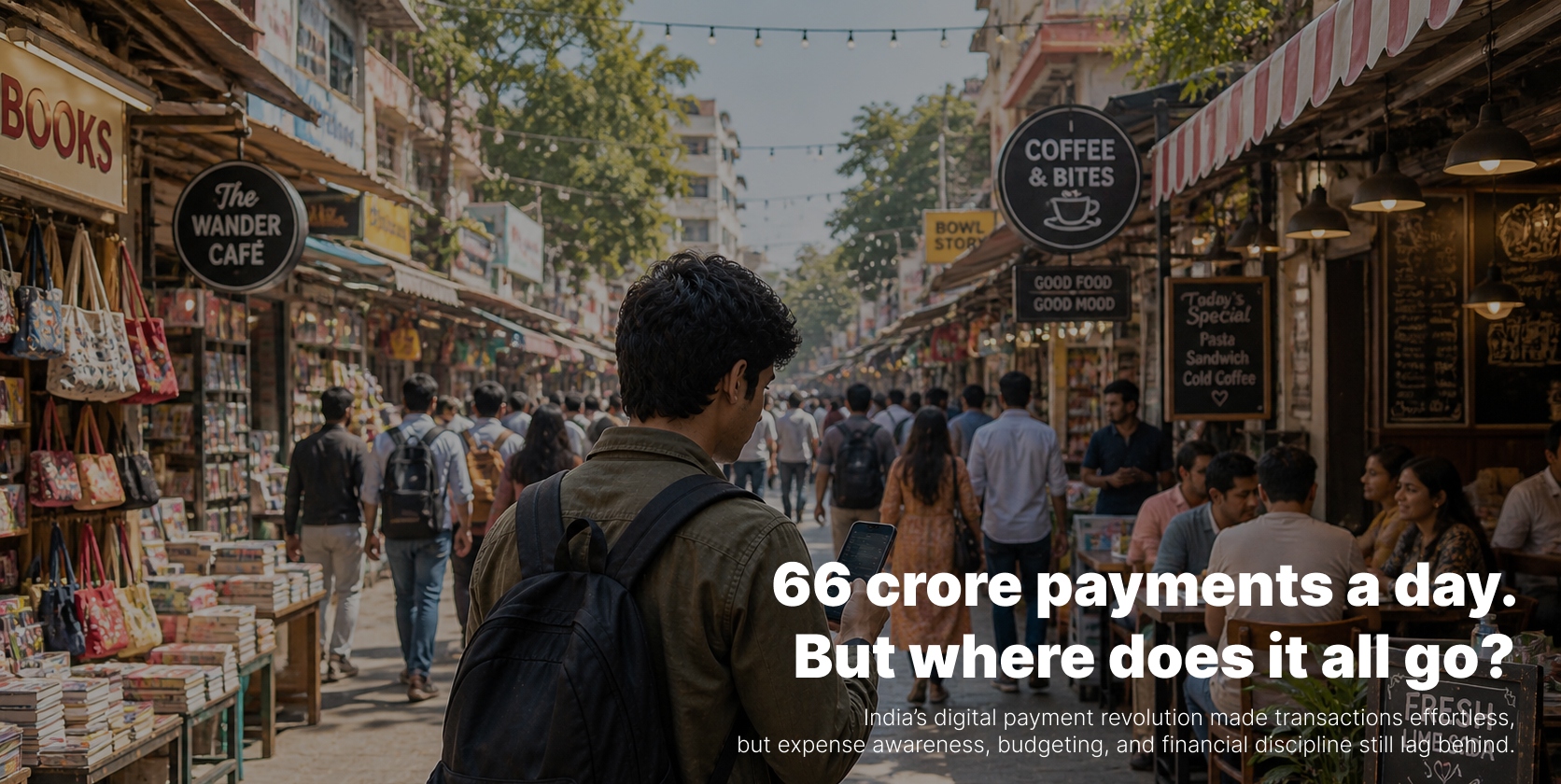
Many users make frequent UPI payments every day but lack clear visibility into where their money goes, how small expenses accumulate, or how shared costs impact their finances. While payment apps simplify transactions, they often stop short of enabling deeper spending awareness, budgeting discipline, and proactive financial decision-making.
Recognising this gap, an opportunity was identified to challenge the extra effort required to stay financially aware in a digital-first payment ecosystem.
Tracking how people spend money sounds simple until you ask them to explain it. Frequent digital payments, fragmented transaction histories, and informal social splits make financial behavior surprisingly difficult to monitor.
To better understand these patterns, we surveyed and interviewed over 42 participants across students and young professionals to uncover how users manage, track, and split expenses in daily life.
Common Painpoints
72% of users reported losing track of frequent micro-payments, with many relying on bank balance alone to estimate spending.
Users often found group payments awkward to calculate, follow up on, and separate from their own personal spending.
Payment histories showed where money moved, but rarely explained why it moved, what category it belonged to, or how it affected budgets.
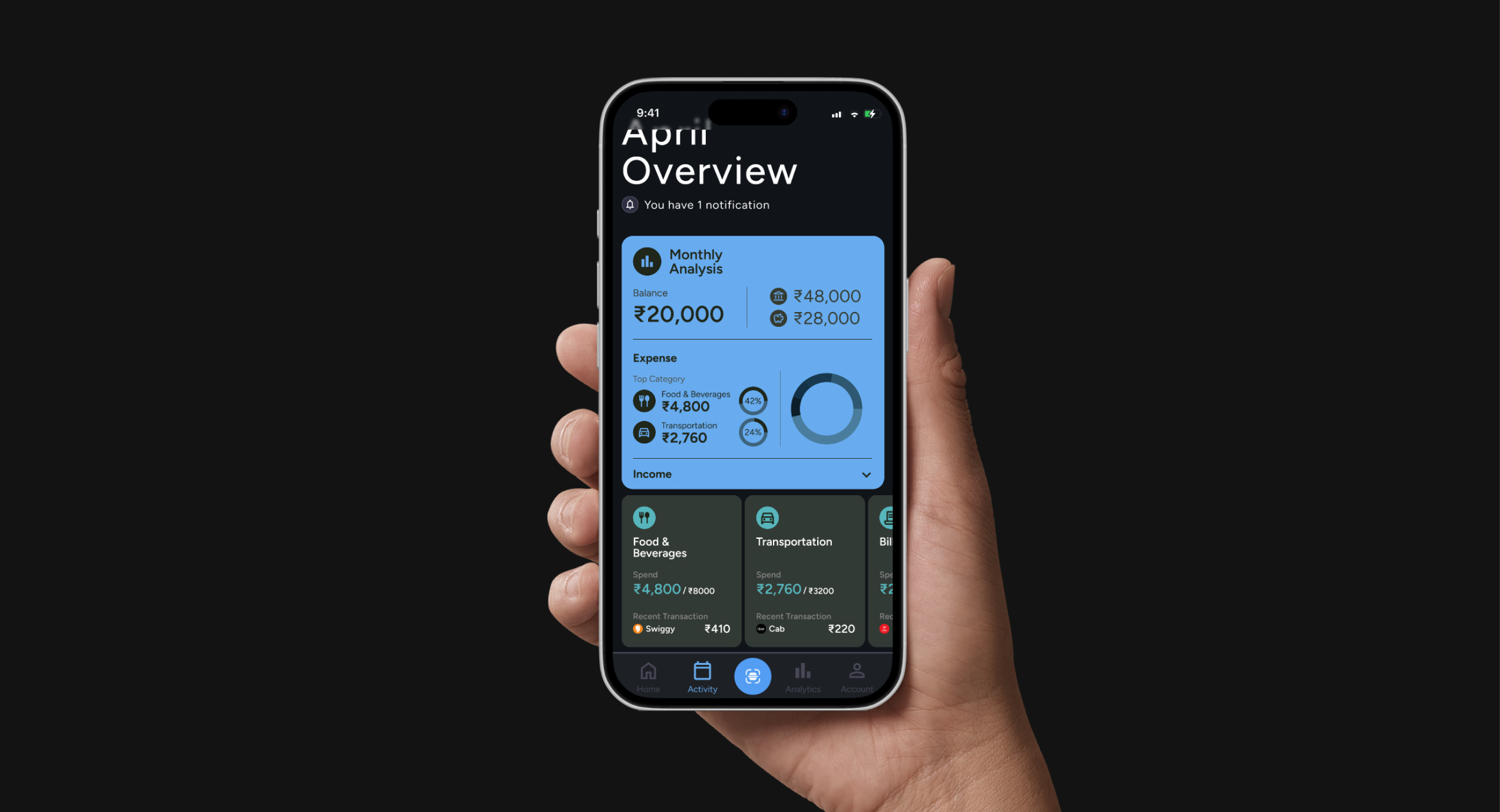
Moniq brings expense tracking into the payment flow itself, helping users understand daily spending while keeping transactions familiar, quick, and socially useful.
Core system behaviors
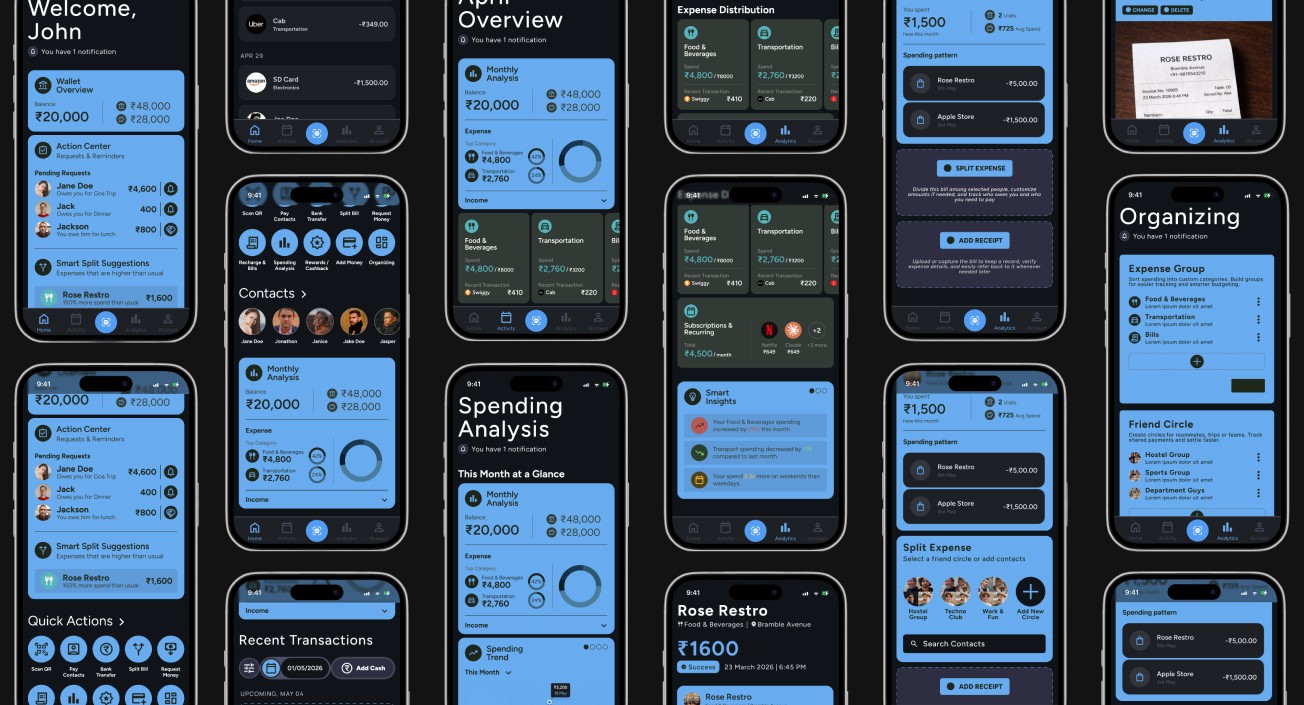
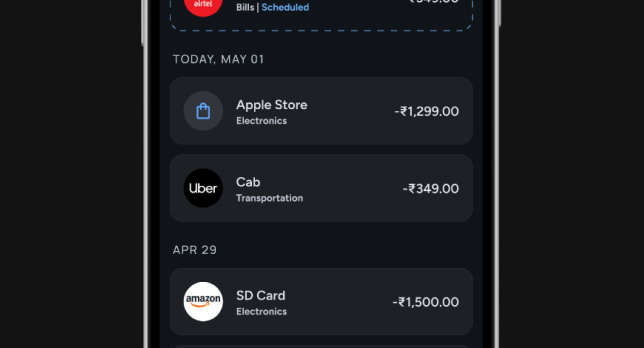
Traditional expense tracking often relies on manual entry, requiring users to log, categorize, and reconstruct spending after payments are made. To reduce this hassle, the system was built around an existing habit users already follow daily: UPI payments.
Instead of creating a separate tracking process, transaction details like amount, merchant, and payment history are used as the foundation for expense organization. Expense tracking becomes a seamless extension of payment itself, reducing effort while improving financial clarity.
Built on top of familiar UPI behavior, this system converts payment history into meaningful financial control without added friction.
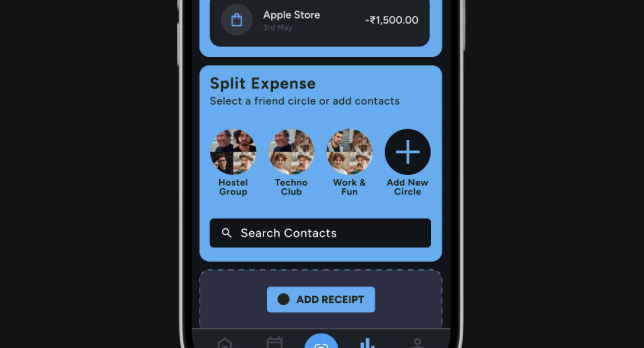
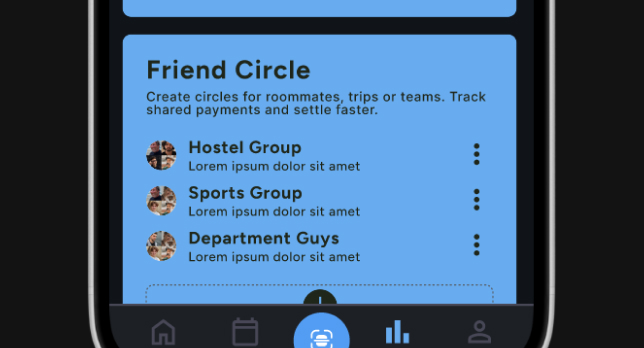
Shared expenses often become confusing when personal spending, repayments, and group coordination are treated the same. Bill splitting was designed to function alongside Friend Circles, allowing transactions to be split instantly while keeping coordination flexible.
People can be added or removed for a specific expense without changing the original group. After splitting, only the user's share is included in budget calculations while repayments are treated separately.
Designed beyond basic bill splitting, this system transforms shared expenses into structured, trackable financial relationships.
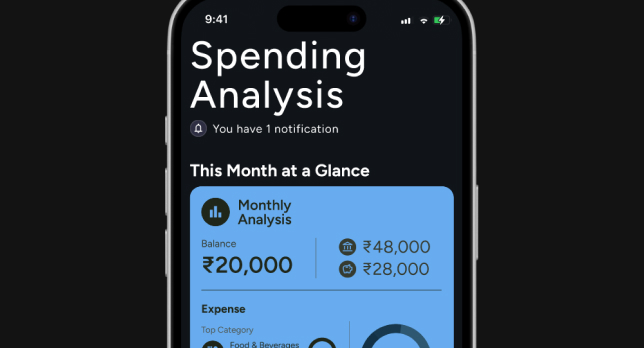
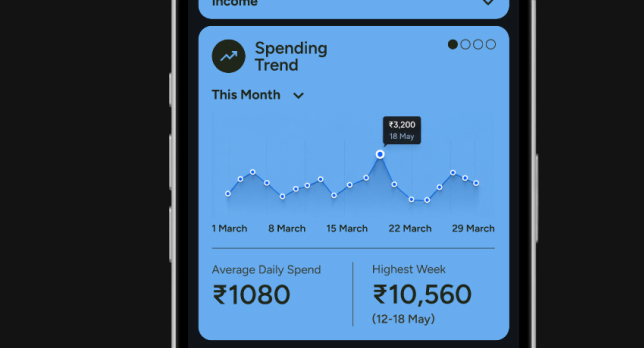
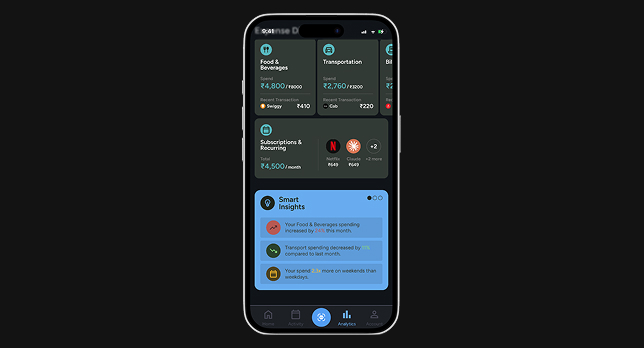
Traditional finance apps are often limited to tracking expenses, but budgeting becomes more effective when financial behavior is understood alongside it. Moniq connects monthly goals, category insights, unusual expenses, and transaction trends.
By combining budgeting with behavioral awareness, the patterns behind spending can be recognized, allowing financial decisions to be shaped by real habits rather than passive numbers alone.
Where budgeting meets behavioral insight, turning transactions into patterns and patterns into smarter money decisions.
Academic Information System
Simplify Learning. Stay Informed.